
Unlocking the Secrets to Homemade Sauerkraut: Your Ultimate Guide
Welcome to the world of homemade sauerkraut! If you’ve ever craved that tangy, crunchy goodness, you’re in the right place. This article will walk you through the simple yet rewarding process of making sauerkraut yourself, using just cabbage and salt. You’ll discover tips, tricks, and variations that will elevate your homemade sauerkraut to a whole new level, making it a delightful addition to your meals.
Whether you’re new to fermentation or a seasoned pro, this guide is designed with busy cooks in mind, ensuring that satisfying, healthy meals are always within reach. Let’s dive in and uncover why making sauerkraut is not just a kitchen task but a fun and engaging culinary adventure!
Why You’ll Love This Recipe
Making sauerkraut offers numerous benefits that go beyond just enjoying a delicious side dish. Here are five reasons why you’ll love this recipe:
- Health Benefits: Homemade sauerkraut is rich in probiotics, which support gut health and boost your immune system.
- Easy Ingredients: With just cabbage and salt as the base, you can create a flavorful ferment with minimal effort.
- Customizable Flavors: Feel free to experiment with additional ingredients like apples or spices to suit your taste.
- Budget-Friendly: Cabbage is an affordable vegetable, making this a cost-effective way to enjoy fermented foods.
- Simple Process: The fermentation process is straightforward and requires little hands-on time, allowing you to enjoy other activities while your sauerkraut develops flavor.
Ingredient Breakdown
Let’s take a closer look at the ingredients you’ll need to make your homemade sauerkraut, along with some handy substitutions.
- Cabbage: 6 pounds (about 2 heads). Green cabbage is traditional, but you can also use red cabbage for a vibrant twist.
- Canning Salt: 3 tablespoons. Be sure to choose canning or pickling salt, as regular table salt contains additives that can hinder fermentation.
- Optional Add-Ins: For enhanced flavor, consider adding:
- Granny Smith Apples: 2, peeled and thinly sliced for a touch of sweetness.
- Sweet Onions: 2, thinly sliced for a mild, aromatic flavor.
- Caraway Seeds: 2 teaspoons for a classic sauerkraut taste.
- Ground Coriander: 1 teaspoon for warmth and depth.
Step-by-Step Guide to Making Sauerkraut
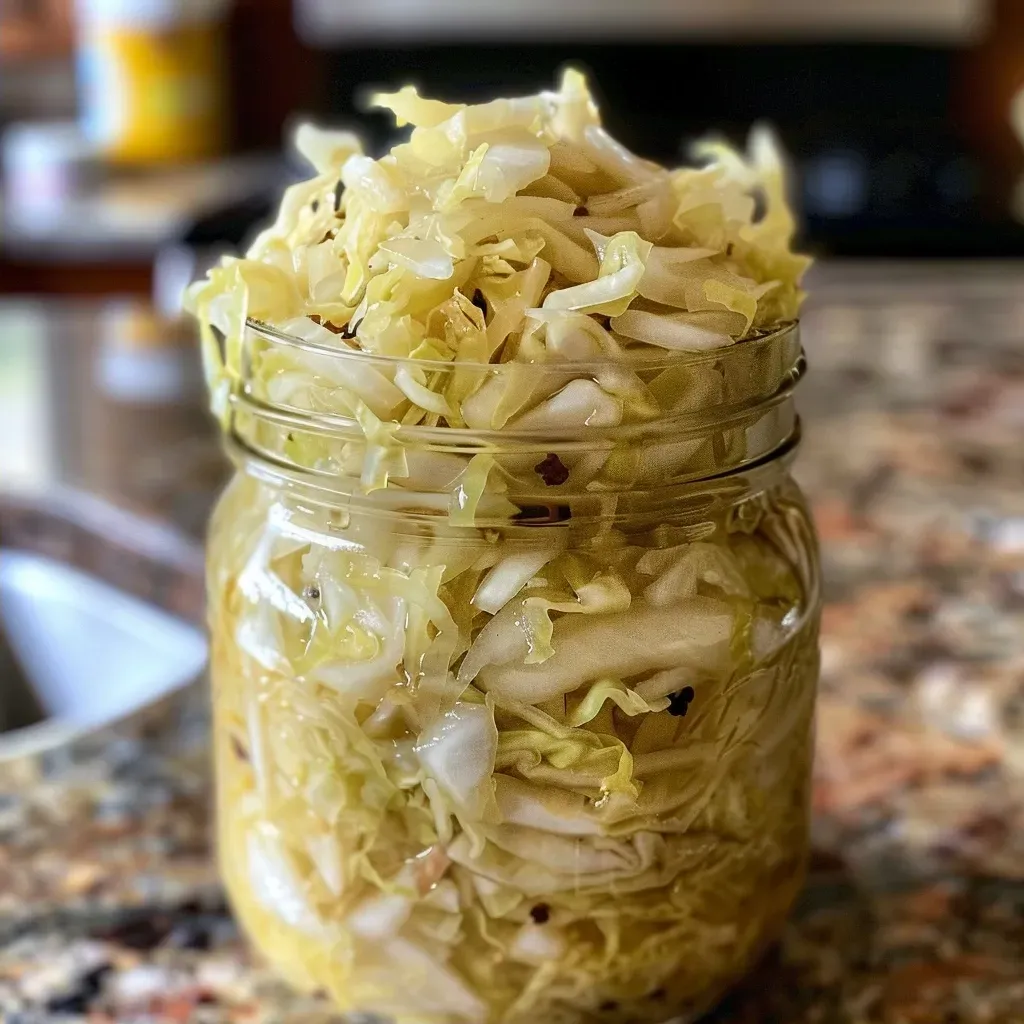
Ready to get started? Follow these detailed steps to create your own delicious sauerkraut.
Step 1: Prepare the Cabbage
To start, quarter the cabbage and remove the cores. Slice the cabbage thinly (about 1/8-inch thick). If you’re daunted by all the chopping, a mandoline slicer can help you achieve uniform cuts quickly.
Step 2: Squeeze the Cabbage
Once sliced, place the cabbage in a large bowl and mix it with the canning salt. Let the cabbage sit for about 10 minutes to wilt and release its liquid. This is where the magic begins! Squeeze the cabbage vigorously for about 10 minutes, ensuring you extract as much liquid as possible.
Step 3: Add Optional Ingredients
If you want to amp up the flavor, toss in your chosen optional ingredients (apples, onions, caraway seeds) with the squeezed cabbage. Mix well to distribute.
Step 4: Pack the Container
Firmly pack the cabbage mixture into a fermenting crock or glass container, pressing down to eliminate air bubbles. The cabbage should be submerged in its liquid. If there isn’t enough liquid, create a brine by dissolving 4.5 teaspoons of canning salt in a quart of water and adding it to the container.
Step 5: Weigh Down the Cabbage
To keep your cabbage submerged, place a dinner plate over the top and weigh it down with heavy jars filled with water. If you have a fermentation kit, use the weights provided.
Step 6: Ferment and Wait
Store your crock in a room with a temperature of 70 to 75ºF. Allow it to ferment for 3 to 4 weeks. Check it a few times a week to ensure the cabbage remains submerged and skim off any scum that forms on the surface.
Pro Tips for Perfect Sauerkraut
To ensure your sauerkraut turns out beautifully, consider these expert insights:
- Use Fresh Cabbage: The fresher the cabbage, the better your sauerkraut will taste.
- Be Patient: Fermentation takes time; resist the urge to rush the process for optimal flavor.
- Maintain Cleanliness: Ensure all utensils and containers are clean to prevent unwanted bacteria.
- Temperature Matters: Keep your fermenting cabbage at a consistent, warm temperature for best results.
- Taste Test: Start tasting your sauerkraut after two weeks to determine when it reaches your desired flavor.
- Store Properly: Once fermented, transfer to jars and refrigerate to halt fermentation.
Common Mistakes and Troubleshooting
Even the best cooks can run into issues. Here are some common mistakes to avoid and how to troubleshoot them:
- Cabbage Floats: If your cabbage rises above the brine, it can lead to spoilage. Ensure it’s weighed down properly.
- Too Salty: If your sauerkraut tastes overly salty, try diluting it with a bit of fresh cabbage or rinsing it under cold water.
- Unpleasant Smell: A strong foul odor could indicate spoilage. Discard if you’re unsure.
- Not Enough Liquid: If there isn’t enough liquid after packing, always create a brine to cover it.
Variations on Classic Sauerkraut
Don’t hesitate to get creative! Here are some fun variations to consider:
- Spicy Sauerkraut: Add crushed red pepper flakes for heat.
- Garlic Lover’s Sauerkraut: Toss in minced garlic for an aromatic kick.
- Sweet and Savory: Mix in thinly sliced carrots or beets.
- Herbed Sauerkraut: Add fresh dill or thyme for an herbal twist.
Storage and Make-Ahead Instructions
Once your sauerkraut is fully fermented, transfer it to airtight containers and store it in the refrigerator. It can last for up to three months, although it will continue to develop flavor over time. You can also make sauerkraut ahead of time, allowing you to enjoy this delightful dish when you need it most.
Frequently Asked Questions
Here are some common questions about making sauerkraut, with answers to guide you:
- How do I know when my sauerkraut is ready? Taste it after about two weeks; when it reaches your desired tanginess, it’s ready.
- Can I use other vegetables in this recipe? Yes! Try carrots, radishes, or even cucumbers for unique flavors.
- What if my sauerkraut turns brown? Browning can occur but isn’t necessarily a sign of spoilage. As long as it smells okay, it should be safe to eat.
- How do I serve sauerkraut? Use it as a topping for hot dogs, in sandwiches, or as a side dish with any meal.
- Can I freeze sauerkraut? Yes, but freezing may alter the texture. It’s best enjoyed fresh.
- What’s the best container for fermenting? Glass containers or ceramic crocks are ideal for fermentation.
- How do I make sauerkraut without salt? Salt is essential for proper fermentation; however, you could try using a salt substitute, but results may vary.
- Is homemade sauerkraut safe? Yes! As long as proper hygiene and fermentation practices are followed, it is safe to eat.
Nutrition Tips and Dietary Adaptations
Homemade sauerkraut is not only delicious but also packed with nutrients. It’s low in calories and high in fiber, making it a healthy addition to any diet. If you’re following a specific diet, here are a few adaptations:
- Vegan: This recipe is naturally vegan, making it perfect for plant-based diets.
- Low-Sodium: Reduce the amount of salt used, but keep in mind this may affect fermentation.
- Gluten-Free: Sauerkraut is gluten-free, so it fits perfectly into gluten-free diets.
Equipment Recommendations
To make the sauerkraut process smooth, consider having these tools on hand:
- Fermentation Crock: A specialized crock will make fermentation easier and more controlled.
- Mandoline Slicer: Ideal for slicing cabbage quickly and uniformly.
- Wooden Tamper: This can help compact the cabbage mixture effectively.
- Glass Jars: For storing your finished sauerkraut.
Serving Suggestions
Once your sauerkraut is ready, the possibilities for enjoying it are endless:
- On Hot Dogs: A classic topping that adds flavor and crunch.
- In Tacos: Use sauerkraut instead of traditional toppings for a unique twist.
- As a Side Dish: Serve it alongside meats, like pork or chicken, for a tangy complement.
- In Salads: Toss it into salads for an extra crunch and probiotic boost.
In conclusion, making your own homemade sauerkraut is not only a fun and rewarding experience, but also a fantastic way to incorporate healthy, probiotic-rich food into your diet. With just a few simple ingredients and some patience, you can create a delicious condiment that adds flavor and nutrition to your meals. Don’t hesitate to experiment with different flavors and variations to make this recipe your own. Happy fermenting!
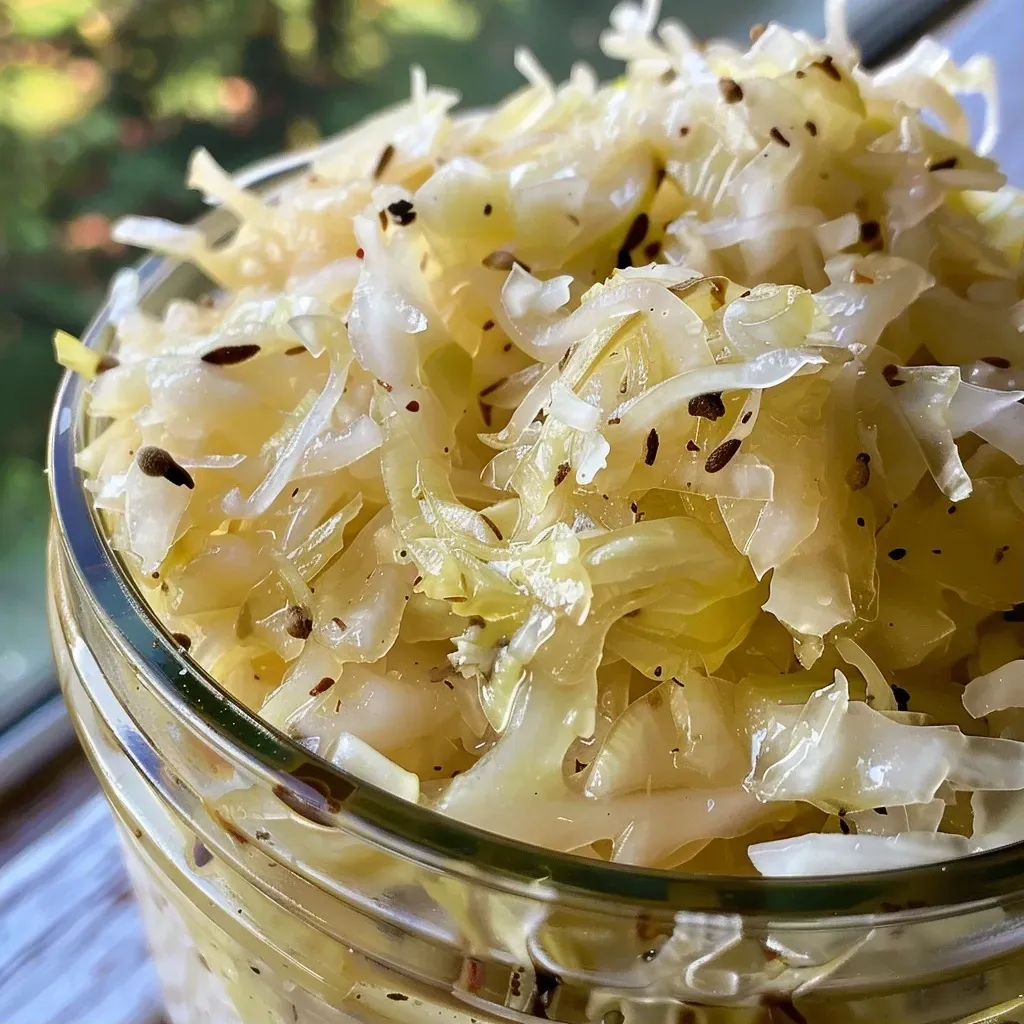
Sauerkraut
Ingredients
Main
- 6 pounds cabbage (about 2 heads)
- 3 tablespoons canning salt
- 2 peeled and thinly sliced Granny Smith apples apple (optional)
- 2 thinly sliced sweet onions onion (optional)
- 2 teaspoons caraway seeds (optional)
- 1 teaspoon ground coriander (optional)
Instructions
- Quarter, core, and thinly slice the cabbage. Mix with salt and let sit for 10 minutes.
- Squeeze the cabbage to release liquid, working for about 10 minutes.
- If desired, add sliced apples, onions, and caraway seeds to the squeezed cabbage and mix well.
- Pack the mixture into a fermenting container, ensuring it's covered with 1-2 inches of liquid. Make a brine if needed.
- Weigh down the cabbage with a plate and weights, then cover and ferment at 70-75°F for 3-4 weeks, checking regularly.
- Once bubbling stops, transfer to containers and refrigerate for up to 3 months.